



Why HEAT Training Is Essential in Contexts of Poor Governance

In a world undergoing constant change, certain regions have become genuine high-risk areas. When the state loses its authority, social and institutional reference points collapse. Militias emerge, insecurity becomes entrenched, and operating environments turn unpredictable. In such contexts, humanitarian missions can no longer rely on improvisation. Journalists, NGOs, and field personnel face real threats, where responsiveness and anticipation matter more than good intentions.
HEAT training responds directly to this urgency. It teaches individuals how to act under stress, avoid traps, and protect their own safety. At SAHCO, we integrate this approach into our preparedness frameworks. Our experts design realistic programs aligned with on-the-ground risks. Protecting field actors means strengthening the impact of missions. Below, we explain why HEAT training has become an indispensable strategic tool.
High-Risk Environments in Contexts of Poor Governance
Escalating Insecurity Dynamics
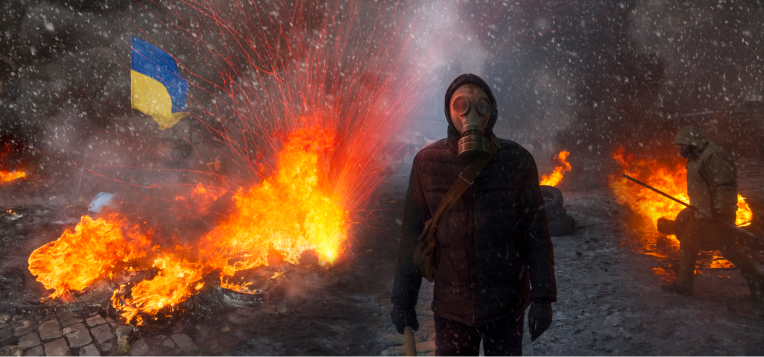
When governance weakens, public protection mechanisms collapse. Security forces may abandon entire territories, creating power vacuums often filled by armed groups. In many countries, local militias impose their own rules. Clashes between rival factions make areas highly unpredictable. Roads become dangerous, and checkpoints proliferate.
Movement is slowed, sometimes completely halted. So-called “no-control zones” become increasingly common. Operating in such conditions requires serious preparation. Personnel must recognize warning signs and know how to manage interactions with hostile groups.
Risks for Humanitarian Actors and Civilians
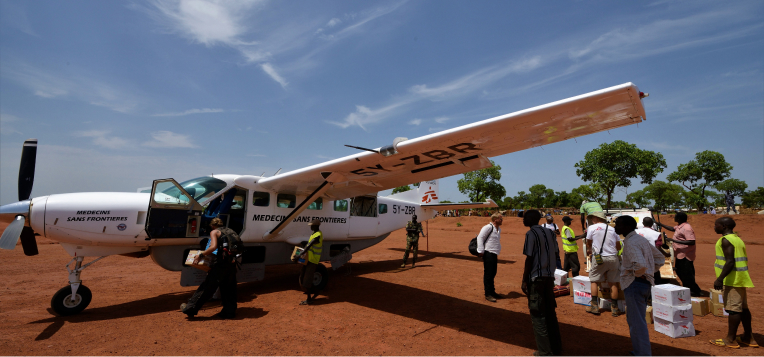
Field personnel are often directly targeted. They may face arbitrary arrest, assault, or kidnapping. Infrastructure is sometimes destroyed, limiting access to basic resources. Logistical conditions deteriorate rapidly, requiring constant adaptation to unstable and unpredictable environments.
Missions also become more visible. In some cases, civilian actors are monitored or instrumentalized by armed groups. Risks extend beyond physical danger to include psychological and strategic challenges.
Discover how SAHCO supports NGOs and agencies in reducing these risks through our organizational solutions.
HEAT Training: Core Principles and Objectives
Definition of HEAT Training
HEAT stands for Hostile Environment Awareness Training. It is designed to prepare professionals to operate in hostile environments. The program combines theory with hands-on exercises and targets humanitarian workers, journalists, consultants, and staff deployed in sensitive areas.
Sessions cover crisis situations, emergency communication, evasion techniques, and survival skills. This structured framework provides the tools needed to understand threats and respond quickly and effectively.
Skills Developed
Participants acquire life-saving reflexes. They learn to identify suspicious behavior, avoid confrontation, and move safely. Stress management is central to the training, as staying calm under pressure can save lives.
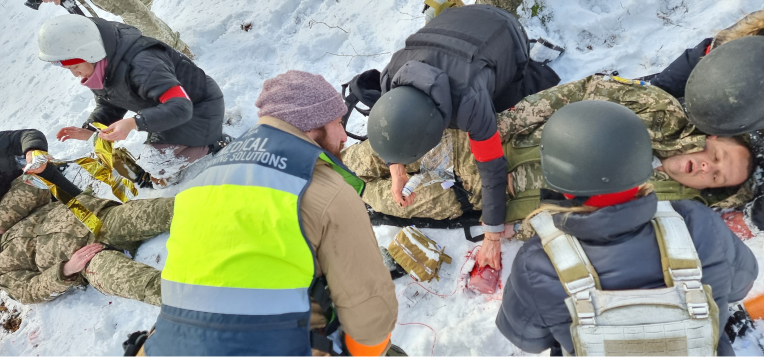
With TECC (Tactical Emergency Casualty Care) certification, some modules also include first aid. The training enables rapid situational assessment within seconds and strengthens teamwork and initiative.
Preparing for a mission in a high-risk area? Do not deploy without the right reflexes. Contact SAHCO to organize a tailor-made HEAT training program adapted to your operational context and team profiles.
Why HEAT Training Is Becoming Indispensable in Hostile Areas
Anticipating Critical Incidents
Crises in low-governance countries rarely provide warning. They erupt suddenly, often in already tense environments. HEAT training uses immersive scenarios such as checkpoint crossings, simulated gunfire, and active shooter situations. These exercises help participants internalize precise reflexes.
Knowing how to react in the first seconds can prevent the worst outcomes. Anticipation skills are strengthened through realistic training, improving team coordination in extreme situations.
Mental Preparation and Field Adaptability
Stress is an invisible yet destructive factor. Effective training must prepare the mind as much as the body. Participants learn to remain composed under pressure and develop strategies for discretion, avoidance, and adaptation.
Mission effectiveness depends on clear role distribution. Team cohesion becomes critical to responding smoothly. HEAT training provides the tools needed to maintain coordination, even under emotional shock.
To strengthen your teams’ resilience, explore our dedicated HEAT training modules.
SAHCO’s Strategic Approach to Implementing HEAT Training

Preliminary Security Assessment
Each operational context requires specific analysis. At SAHCO, we begin with a security assessment, including risk mapping to identify threats unique to each area of operation.
This analysis guides training content development, ensuring a realistic and practical approach. The objective is to leave nothing to chance.
Contextualized and Tailor-Made Training
Each professional profile faces different risks. A journalist does not encounter the same threats as a logistics officer or an NGO coordinator. That is why we design customized training sessions. Modules vary according to mission type and responsibility level.
We use diverse teaching tools such as simulations, videos, and role-playing exercises. This variety improves knowledge retention and prepares participants for the unexpected.
Impact of HEAT Training on Field Operations
Enhanced Mission Security
Well-trained teams make better decisions. They avoid dangerous areas, identify risks, and adapt behavior accordingly. The likelihood of incidents decreases, coordination improves, and personnel autonomy increases.
Missions become more efficient and sustainable. Aid beneficiaries are better served, and objectives are achieved more quickly. HEAT training thus becomes a true performance lever.
Compliance with Donor Requirements
Donors increasingly require proof of robust security measures. NGOs must demonstrate due diligence and proactive staff protection. HEAT training meets these expectations and shows a genuine commitment to personnel safety.
This approach aligns with organizational responsibility frameworks, enhances credibility with partners, and facilitates access to certain funding opportunities.
To strengthen your teams with customized training, contact SAHCO today.
Conclusion
The growing number of unstable regions makes HEAT training unavoidable. It equips professionals to operate effectively without putting their lives at risk. As crises multiply and local institutions weaken, preparation becomes a strategic necessity.
Integrating HEAT training into operational protocols is no longer optional, it is a responsibility. SAHCO offers a comprehensive, tailored, and proven approach for organizations exposed to high-risk environments. Action must be taken before it is too late.
Want to protect your field teams? Contact SAHCO today to design a HEAT training program adapted to your needs via our contact form.
Contacter SAHCO
Pour en savoir davantage sur notre expertise et le déroulement de nos missions.


