



TECC Training: Mastering Emergency MedicalReflexes for Severe Injuries in Remote and/or Hostile Environments

Responding to severe injuries in unstable environments demands composure, speed, and
technical skill. Hostile settings can turn a routine mission into a critical emergency. In these
situations, TECC training (Tactical Emergency Casualty Care) provides teams with the
specialized medical reflexes needed for extreme emergencies. Based on a rigorous
methodology designed for life-saving interventions, TECC ensures that every second is used
effectively.
For NGOs and private companies operating in high-risk areas, this training is not
optional, it is a strategic investment for protecting personnel and ensuring operational
continuity.
TECC Training: A Strategic Asset for NGOs Working in
High-Risk Areas
TECC training is built on medical protocols adapted to unstable environments. It teaches
rapid scene assessment, victim stabilization, and action prioritization. Participants learn to
anticipate risks and master essential life-saving skills. For NGOs working in conflict zones or
disaster-affected regions, TECC significantly reduces team vulnerability and strengthens
mission continuity despite limited access to advanced medical care.
To strengthen your teams’ preparedness, explore the full objectives and modalities of the
TECC training here.
Key Skills Taught in TECC Training
Rapid and Safe Assessment of Critical Situations
Understanding the scene before intervening is crucial. Participants learn how to identify
immediate threats, secure the area, and protect the team before providing care. This
structured approach prevents errors and enhances decision-making.
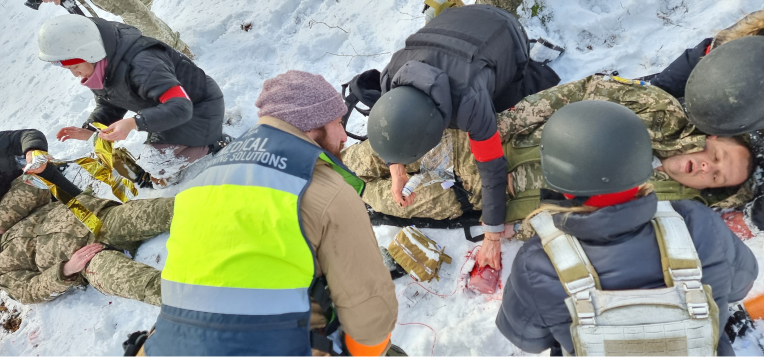
Emergency Medical Skills and Hemorrhage Control
Uncontrolled bleeding is the leading cause of preventable death in hostile environments.
Trainees learn to apply tourniquets, use pressure dressings, and perform advanced
bleeding-control techniques. These simple yet vital skills must be executed effectively under
high stress.
Prioritization of Care in Hostile Contexts
Effective response relies on the ability to triage casualties, stabilize the most urgent cases,
and coordinate rapid evacuation. Discipline and method become essential survival factors.
To learn how SAHCO equips teams with these life-saving skills, explore our training and operational solutions.
What Makes TECC Training Unique
Adaptation to Unstable Environments
Unlike traditional medical protocols, TECC integrates the concept of active threats.
Participants learn to manage stress, ensure their own safety, and deliver medical care while
still under potential danger.
International Recognition and Standardization
TECC is globally recognized, making it a universal reference for humanitarian and private
actors. It ensures compatibility between teams from different organizations and improves
inter-agency coordination in the field.
To better understand how TECC training adapts to unstable environments and benefits from
international recognition, explore the full guide for humanitarian workers and journalists
deployed in conflict zones here.
Operational Benefits of TECC Training

Reduced Risk in the Field
TECC enables rapid response to traumatic injuries, stabilizing victims before professional
medical help arrives. It reduces preventable mortality, enhances team safety, and helps
de-escalate tense situations.
Improved Responsiveness and Efficiency
Teams trained in tactical medical protocols respond more quickly and in a structured manner.
This improves care quality and streamlines communication, even amid chaos.
Strengthened Mission Continuity
Strong medical preparedness helps contain incidents, minimize operational disruptions, and
maintain presence in the field. It also strengthens organizational credibility with partners.
To enhance risk management and secure mission continuity, contact SAHCO via our
contact form.
How SAHCO Supports NGOs in Implementing TECC
Training
Needs Assessment & Tailored Planning
Each organization faces unique risks. SAHCO conducts detailed assessments, identifies
priorities, and designs training plans aligned with local realities.
Logistical Support, Monitoring & Evaluation
Beyond initial training, SAHCO provides full logistical assistance, follow-up evaluations, and
regular updates to ensure continuous improvement.
Expertise & Strategic Partnerships
Through partnerships with medical and security experts, SAHCO delivers robust and
credible programs that meet international expectations.
Explore our audit and organizational support services to build a solid, tailored security
framework.
Integrating TECC Into a Sustainable Organizational
Strategy
Effective strategy starts with identifying priority risks, violence, disasters, civil unrest, and
aligning TECC competencies accordingly. Coordinated action plans combine medical,
logistical, and security procedures to ensure efficient emergency response. Internal audits
and simulation exercises help refine practices and strengthen preparedness. TECC thus
becomes a driver of long-term organizational resilience.
Reinforce your emergency protocols by training your teams in life-saving techniques with
SAHCO’s support.
Conclusion
TECC training is essential for NGOs and private companies operating in hostile
environments. It equips teams with the ability to react quickly and save lives under the most
critical circumstances. Integrated into a broader organizational strategy, TECC enhances
staff protection and guarantees mission continuity. With its expertise and extensive partner
network, SAHCO remains a trusted provider for implementing robust medical and security
solutions.
To discuss your specific needs and implement a tailored TECC training program, contact SAHCO today.
Contacter SAHCO
Pour en savoir davantage sur notre expertise et le déroulement de nos missions.


