




Contingency Plan vs Emergency Plan
In the humanitarian sector, the difference between a “manageable” crisis and a major incident often comes down to one key factor: the level of preparedness. Two tools structure this preparedness and are still too often confused: the contingency plan and the emergency plan. The first organizes anticipation and operational continuity. The second frames the immediate response when the event occurs.
In this article, we will clarify what truly distinguishes these two plans, when to use them, and above all how to combine them to protect humanitarian staff, limit disruption, and maintain essential activities. You will also find concrete examples inspired by situations faced by NGOs and companies.
What is a contingency plan?
A contingency plan is a proactive approach. It prepares the organization for plausible, even uncertain, scenarios by defining operational options, trigger thresholds, and impact-mitigation measures. It answers a simple question: “If this situation occurs, how do we continue operating without improvising?”
In a humanitarian context, this plan is built on a realistic field analysis: security dynamics, logistical capacities, dependencies (routes, suppliers, communications), funding constraints, community sensitivity, humanitarian staff exposure, and levels of acceptance.
To structure this upstream approach, you can rely on Sahco’s expertise in risk analysis and risk management. Visit the Strategic and Operational Advisory page to understand Sahco’s risk assessment and analysis approach.
What is an emergency plan?
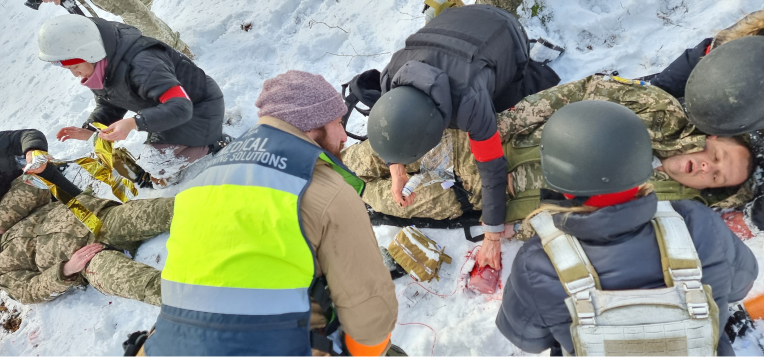
The emergency plan is reactive. It is activated when the crisis is already unfolding: attack, kidnapping, serious accident, outbreak of violence, local epidemic, natural disaster, etc. It describes who does what, when, and how, using concrete and immediately actionable procedures.
Its objective is not to “anticipate everything,” but to ensure a rapid, coordinated, and safe response, limiting confusion, contradictory decisions, and loss of time. It is also a protection tool: it frames critical choices (shelter-in-place, suspension, evacuation, communication management) to safeguard humanitarian staff and reduce exposure.
Key differences between a contingency plan and an emergency plan
The confusion often arises because both refer to “crisis.” In reality:
The contingency plan is designed to organize scenarios and continuity options. The emergency plan is designed to execute an immediate response when the situation escalates.
The contingency plan relies on assumptions, thresholds, and graduated measures. The emergency plan relies on short, clear, tested procedures with assigned roles.
The contingency plan fits within a steering and management logic (regular reviews, updates, coordination). The emergency plan fits within an action logic (activation, incident management, return to normal).
How to build a contingency plan that is useful in the field

An effective contingency plan is easy to read, realistic, and actionable. It should not be a “perfect” document, but a tool that is actually used.
1) Identify mission-specific risks
You do not prepare an urban food distribution mission in an unstable context the same way you prepare a WASH mission in a remote area. The first step is to map risks: security, health, logistics, reputational, and operational risks. The goal is to identify the most plausible scenarios, not to create an endless list.
2) Assess probability and impact (and especially vulnerability)
Two risks may have the same impact but not the same probability—or vice versa. The challenge is prioritization: which scenarios directly threaten the safety of humanitarian teams? Which could disrupt essential activities? Where is the organization most vulnerable (dependency on a road, a supplier, a communication system, an access authorization)?
3) Define trigger thresholds
A contingency plan becomes useful when it clearly states: “From which signal do we change posture?” Examples include: increased incidents along a route, closure of a corridor, persistent rumors against the NGO or a company, disruption of critical stocks, administrative restrictions, etc. These thresholds help avoid improvisation and endless debates under pressure.
4) Describe concrete continuity options
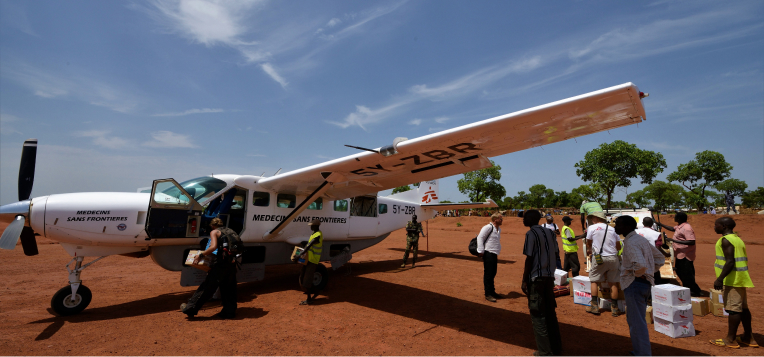
This is the core of the plan: what realistic options exist if the scenario occurs? These may include relocation to an alternative site, changes in delivery modality (cash vs in-kind), exposure reduction (fewer movements, new schedules), reinforcement of acceptance, logistical outsourcing, or partial suspension with clear resumption criteria.
5) Assign roles and responsibilities
Who decides? Who informs? Who activates the medical chain? Who manages relations with headquarters, donors, authorities, and partners? Without clarity, even a good plan becomes ineffective. Roles must be clear and understood, including in the absence of a key manager.
6) Plan monitoring and updates
A contingency plan is not static. It must evolve with the field context: weekly or bi-weekly reviews, integration of incidents, contact updates, procedure testing, and lessons learned from exercises.
If you wish to assess the robustness of your current setup (procedures, tools, existing plans), Sahco also offers audit services. You can consult the External Security Management Audit page here.
How to combine a contingency plan and an emergency plan (without adding complexity)
The most effective combination is often the simplest: the contingency plan prepares the scenarios, and the emergency plan defines the immediate actions when a scenario materializes.
In practice, link the two through:
- thresholds (in the contingency plan) that trigger a procedure (in the emergency plan),
- a shared logic of roles and communications,
- short exercises that test both “anticipation” and “execution.”
To strengthen preparedness at team level, immersive training can make a real difference. Discover Sahco’s HEAT C-TECC training here.
Concrete examples (inspired by NGO field experience)
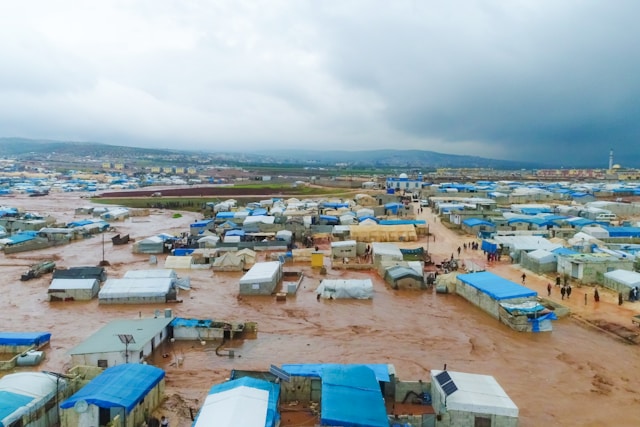
An NGO operates in an area exposed to seasonal flooding. The contingency plan anticipates “road cut-off” scenarios: alternative routes, pre-positioning of stocks, switch to secondary distribution points, and reinforced communications. When water levels rise, the emergency plan immediately triggers staff safety measures, suspension of non-essential movements, and coordination with local partners.
Another case: a company operates in a context of community tensions. The contingency plan defines thresholds (repeated incidents, hostile rumors, administrative tightening) and options (reduced visibility, adaptation of program modalities, reinforcement of acceptance). If an incident occurs, the emergency plan frames the response: shelter-in-place, internal and external communications, reporting, psychosocial support, and resumption criteria.
FAQ – Contingency plan
What is the simplest difference between a contingency plan and an emergency plan?
The contingency plan prepares scenarios and continuity options; the emergency plan describes immediate actions when the event occurs.
How often should a contingency plan be updated?
Whenever the context changes. In practice, regular reviews (weekly or bi-weekly depending on risk level) are often necessary.
Does a contingency plan need to be long and detailed?
No. It should above all be readable and actionable. A short, used, and regularly updated document is better than an exhaustive one that is never revisited.
Who should be involved in building it?
Field management, security focal points, logistics, medical staff if relevant, and representatives of humanitarian teams. The plan must reflect operational reality.
Contacter SAHCO
Pour en savoir davantage sur notre expertise et le déroulement de nos missions.


