



Best Practices in Physical Security Consulting to Protect Your Sites

Best Practices in Physical Security Consulting to Protect Your Sites
Physical site security is essential to preserve the integrity of sensitive operations. Whether for a company, a humanitarian organization, or a public institution, every site can be exposed to intrusions, theft, or acts of sabotage. Anticipating threats and implementing appropriate security measures is therefore critical. For many years, SAHCO has supported organizations in risk analysis and the implementation of effective security plans.
Our recommendations are based on field expertise, a deep understanding of local challenges, and the ability to anticipate crises. To ensure the security of your facilities, it is essential to adopt a structured approach grounded in proven best practices. Let us explore together the key steps of an effective physical security system.
Physical Site Security: Key Issues and Definitions
What is physical security in an organizational environment?
Physical security refers to all measures designed to protect a site against intrusions or material damage. These measures must prevent unauthorized access to sensitive areas. They may include barriers, access control systems, surveillance cameras, or alarm devices. Every organization should consider physical security as a cornerstone of its overall security policy.
Why must sensitive sites be given priority protection?
Some sites concentrate strategic information, critical equipment, or vulnerable individuals, making them prime targets. A malicious act can paralyze essential services, disrupt supply chains, or compromise staff safety. Each site must therefore be assessed to determine the appropriate level of protection.
Ensure the protection of your sensitive sites through a tailored approach. Contact our experts for a secure diagnostic adapted to your challenges.
Initial Assessment of Local Threats and Vulnerabilities
Identifying site-specific risks (geographical, human, environmental)
Risk analysis begins with an observation of the environment. Geographic location, site occupancy, and natural hazards must all be considered. Some locations present structural weaknesses or areas that are difficult to monitor. A field assessment enables the creation of a precise risk map.
Threat analysis methodologies used by professionals
Security specialists rely on standardized tools to assess threats, including criticality matrices, risk scoring, and targeted interviews. Each threat is evaluated according to its likelihood and potential impact. This approach helps define operational priorities.
Have your sites assessed by specialists through our external security management audit.
Developing an Appropriate Physical Security Plan
Designing on-site security architecture (zones, access points, sensitive areas)
A site must be segmented into zones based on their level of criticality. Access points should be filtered according to sensitivity. Critical areas such as server rooms, warehouses, or command centers require reinforced protection. The objective is to prevent unauthorized access while ensuring smooth daily operations.
Integrating operational constraints into the security strategy
An effective security strategy must not disrupt daily operations. Security measures should adapt to schedules, personnel flows, and logistical needs. Productivity barriers must be avoided while maintaining constant vigilance.
Optimize your site security without compromising operations through our specialized external audit.

Access Control: Tools, Protocols, and Best Practices
Selecting identification and entry-filtering systems
Magnetic badges, biometric systems, and QR codes are among the technologies available to control site access. The choice depends on the required security level and the nature of the activities. Combining multiple identification layers is often recommended.
Staff awareness and accountability
Technical systems must be supported by a strong culture of responsibility. Authorized personnel must understand the importance of following procedures. A single human error can compromise an entire security strategy, making regular training sessions essential.
Contact our experts to implement truly effective access control solutions.
Surveillance and Real-Time Intrusion Detection
Cameras, alarms, and sensors: technologies adapted to each site
Modern technology allows continuous 24/7 site monitoring. High-definition cameras, motion detectors, and connected alarms provide extensive coverage. Each site requires a tailored combination based on its layout.
The importance of human supervision in the vigilance chain
Technology cannot replace human intervention. Effective surveillance also relies on trained and attentive security personnel who can interpret signals, react quickly, and coordinate responses.
Combine advanced technologies with trained teams: discover our surveillance solutions and training modules.
Incident Response and Emergency Management
Rapid response plans and coordination with local authorities
In the event of an incident, every second counts. Clear protocols must be in place to alert, isolate, and respond. Coordination with law enforcement and emergency services should be predefined and known by all key stakeholders.
Regular drills and on-site simulation protocols
A strategy without practice is insufficient. Realistic on-site simulations are essential to identify weaknesses and strengthen reflexes. They also serve as training opportunities for new personnel.
SAHCO designs tailored scenarios for each organization. Schedule your first simulation with our teams today.
Maintaining Security Systems Over Time
Regular audits and updates of physical security installations
Security systems must evolve alongside emerging risks. Periodic audits are essential to assess effectiveness and integrate technological advancements. SAHCO conducts these audits with rigor and objectivity.
Quality control and field experience feedback
Lessons learned from incidents and operational feedback are valuable sources of improvement. Each malfunction or security breach should be thoroughly documented and analyzed.
To combine advanced technologies with qualified personnel, explore our surveillance solutions and training modules.
SAHCO’s Expertise in Physical Security Consulting
SAHCO methodology: assessment, planning, implementation, and monitoring
Our approach is comprehensive. We begin with a rigorous assessment, followed by tailored planning. We then support the implementation of security measures and ensure continuous operational follow-up. Each phase is documented to guarantee transparency and effectiveness.
Operations in high-risk or unstable environments
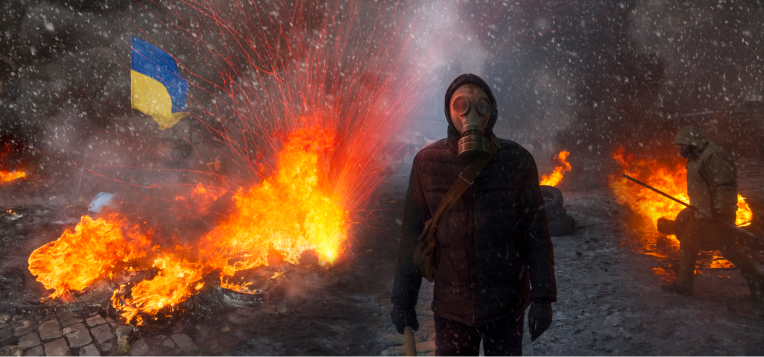
SAHCO also operates in post-crisis, conflict, and high-risk environments. Our experts are trained to work under extreme conditions and provide solutions adapted to humanitarian or diplomatic constraints.
To discuss your specific situation, contact us today.
Physical Security and Global Risk Management Strategy
Integrating physical security, cybersecurity, and organizational governance
Physical security should not operate in isolation. It must be integrated with cybersecurity and overall risk management. An effective strategy connects all protection dimensions.
Training teams to build an integrated security culture
Even the best technology is ineffective without a shared security culture. Every member of the organization must understand their role. Continuous training is essential to maintain vigilance.
With SAHCO, integrate physical security into your global strategy by training your teams and strengthening your security culture.
Contacter SAHCO
Pour en savoir davantage sur notre expertise et le déroulement de nos missions.


