



Beyond borders: why geopolitical intelligence is now essential to risk & compliance

In an increasingly interconnected world, geopolitical dynamics have become a central factor shaping organizational risk exposure. Political instability, armed conflicts, sanctions regimes, regulatory shifts and evolving power relations can directly affect operations, compliance obligations and institutional reputation.
For organizations operating across borders, geopolitical intelligence is no longer a niche analytical function. It has become a strategic pillar of both risk management and compliance, enabling informed decision-making, regulatory alignment and long-term operational resilience.
Understanding risk beyond borders
Geopolitical intelligence refers to the continuous analysis of political, security, economic and regulatory developments that may impact an organization’s activities. Unlike static country profiles, it focuses on interactions between actors, institutions and power structures, and how these dynamics evolve over time.
This intelligence is critical because geopolitical risk is rarely stable. Elections, diplomatic tensions, armed conflict, sanctions or regulatory changes can transform an operating environment in a matter of days. Without sustained geopolitical awareness, organizations face increased exposure to compliance breaches, operational disruption and reputational harm.
Geopolitical intelligence helps organizations to:
- anticipate political and regulatory shifts,
- assess the impact of international crises on operations,
- align strategic decisions with changing risk environments.
Why geopolitical intelligence matters for risk & compliance
Risk management and compliance are deeply interconnected. Sanctions regimes, export controls, counter-terrorism regulations and duty of care obligations are often direct consequences of geopolitical developments.
Geopolitical intelligence supports compliance by:
- identifying restricted jurisdictions and sanctioned entities,
- anticipating regulatory and legal changes,
- strengthening due diligence and partner screening,
- reducing exposure to political, legal and reputational risks.
For organizations operating in fragile states or politically sensitive environments, geopolitical intelligence functions as both a compliance safeguard and a security enabler.
From static analysis to dynamic intelligence
Traditional country risk assessments remain valuable, but they provide only a snapshot. Geopolitical intelligence, by contrast, delivers continuous situational awareness.
A robust approach integrates:
- political and security analysis,
- regional and international dynamics,
- legal and regulatory monitoring,
- escalation indicators and early-warning signals.
This ensures that risk and compliance decisions are grounded in current realities rather than outdated assumptions.
Organizations often begin by establishing a reliable baseline through a structured external assessment.
A decision-support function
The real value of geopolitical intelligence lies in its ability to support decision-making under uncertainty. Leaders and managers are frequently required to act quickly, with incomplete information and high operational stakes.
Geopolitical intelligence informs decisions related to:
- market entry or exit,
- partnerships and subcontractors,
- staff deployment and international travel,
- crisis escalation and response,
- compliance with evolving legal frameworks.
To be effective, intelligence must be translated into operational guidance that supports both strategic and field-level decisions.
Linking intelligence to crisis preparedness
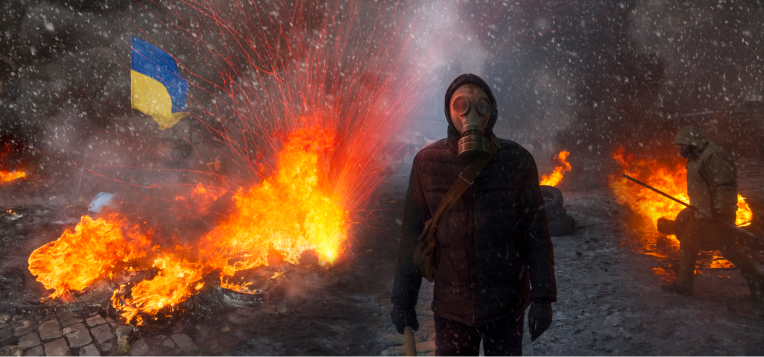
Geopolitical intelligence is closely tied to crisis anticipation and response. Political escalation, armed conflict or regulatory shocks can rapidly evolve into critical incidents.
When integrated into crisis management frameworks, geopolitical intelligence allows organizations to:
- anticipate crisis scenarios,
- activate contingency plans early,
- coordinate decision-making across teams,
- protect personnel and organizational integrity.
This integration is particularly effective when combined with structured incident and crisis management preparedness.
Turning awareness into operational behavior
Intelligence alone is insufficient if teams are not prepared to interpret and act on it. Training plays a critical role in transforming geopolitical awareness into operational behavior.
Relevant training focuses on:
- situational awareness,
- decision-making under pressure,
- compliance-conscious behavior in complex environments.
Programs that reinforce this capability include:
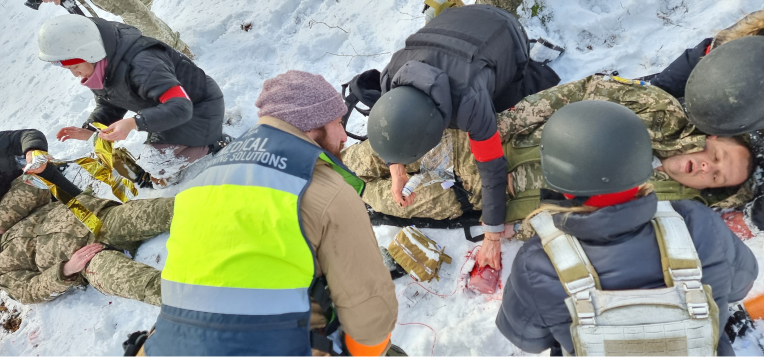
- HEAT C-TECC Training, preparing teams for hostile environments and medical emergencies
- Safety & Security for Frequent Travelers, addressing international mobility and exposure
- Humanitarian Access Negotiation, focused on political and stakeholder dynamics.
Applications across sectors
Geopolitical intelligence supports a wide range of sectors:
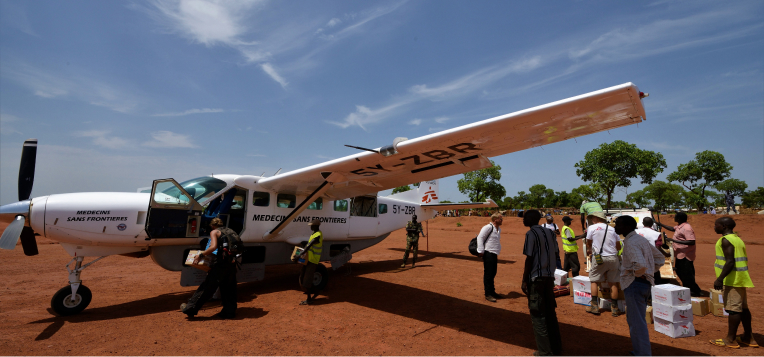
- Humanitarian organizations rely on it to navigate access constraints, donor compliance and local power dynamics.
- Private companies use it to manage regulatory exposure, protect staff and ensure business continuity.
- Media organizations and journalists depend on geopolitical awareness to anticipate escalation and protect field teams.
- International missions and consultants use it to operate responsibly in politically sensitive environments.
Across sectors, geopolitical intelligence provides the clarity needed to operate legally, ethically and safely.
Working with SAHCO Consulting
Organizations seeking to strengthen their risk and compliance posture through geopolitical intelligence benefit from a tailored, operational approach adapted to their specific environments.
Support can include geopolitical analysis, external audits, advisory services, training and crisis preparedness.
To discuss your needs or request tailored assistance.
FAQ – Geopolitical intelligence, risk & compliance
Is geopolitical intelligence only relevant in high-risk countries?
No. Even stable environments can be affected by sanctions, elections or diplomatic tensions.
How does geopolitical intelligence support compliance?
By anticipating regulatory change and identifying exposure to political and legal risks.
Who should use geopolitical intelligence?
Decision-makers, compliance officers, security managers and field teams.
How often should geopolitical intelligence be reviewed?
Continuously, with structured updates aligned to operational exposure.
Contacter SAHCO
Pour en savoir davantage sur notre expertise et le déroulement de nos missions.


