



TECC & HEAT Training for Humanitarian Staff in High-Risk Areas
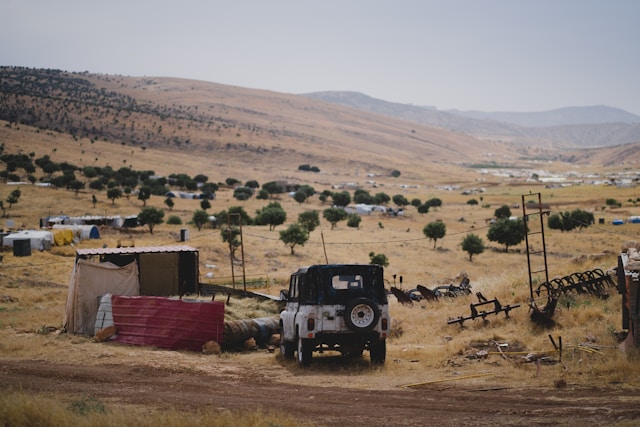
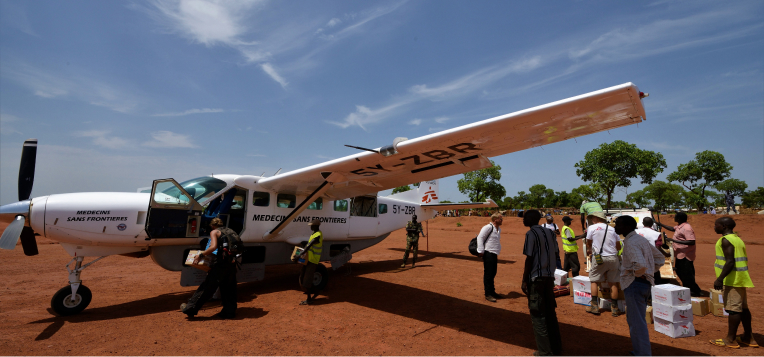
Operating in hostile environments is now part of the daily reality for many humanitarian organizations. Armed conflicts, political instability, criminality, natural disasters, or health crises directly expose humanitarian teams to high levels of risk. In such contexts, preparation cannot be approximate: it directly affects both the safety of humanitarian staff and the continuity of field operations.
Training, equipping, and informing humanitarian professionals is an essential foundation for reducing risks and strengthening adaptive capacity in critical situations. Moreover, this article a comprehensive approach to preparation in hostile environments, addressing HEAT and TECC training, the importance of security briefings, and the key role of the individual kit. These are all levers that Sahco integrates into its operational support for NGOs and humanitarian actors.
Understanding the challenges of a hostile environment
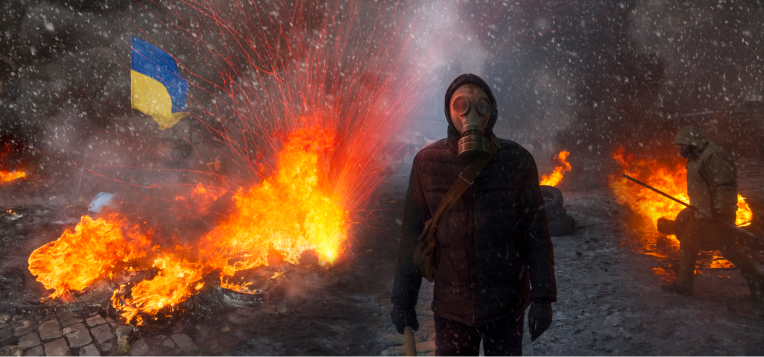
A hostile environment is characterized by a combination of threats that can evolve rapidly. These may include armed violence, kidnappings, terrorist attacks, crowd movements, as well as health, climatic, or logistical risks. As a result, such contexts generate constant pressure on humanitarian teams, both physically and psychologically.
In response to this reality, preparation must go beyond general guidelines. It is based on a detailed analysis of the context, training adapted to identified risks, and the empowerment of each member of the humanitarian staff. Importantly, the objective is not to turn teams into security specialists, but to provide them with the reflexes, knowledge, and tools needed to act calmly and in a coordinated manner.
HEAT training: a cornerstone of preparation in hostile environments
HEAT (Hostile Environment Awareness Training) is one of the foundations of preparation for humanitarian teams operating in high-risk areas. Its purpose is to strengthen the ability of humanitarian workers to understand their environment, anticipate threats, and adopt appropriate security behaviors.
Beyond theoretical aspects, HEAT training relies on realistic simulations that expose participants to scenarios similar to real field conditions. Checkpoint management, reactions to ambushes, driving in unstable areas, or behavior during temporary detention are among the skills addressed. This immersive approach also enables teams to develop automatic responses and better manage stress in real-life situations.
Sahco supports humanitarian organizations in implementing HEAT training tailored to their areas of operation and operational profiles. To learn more, you can consult the page dedicated to hostile environment training directly on the Sahco website.
TECC training: responding effectively to severe injuries
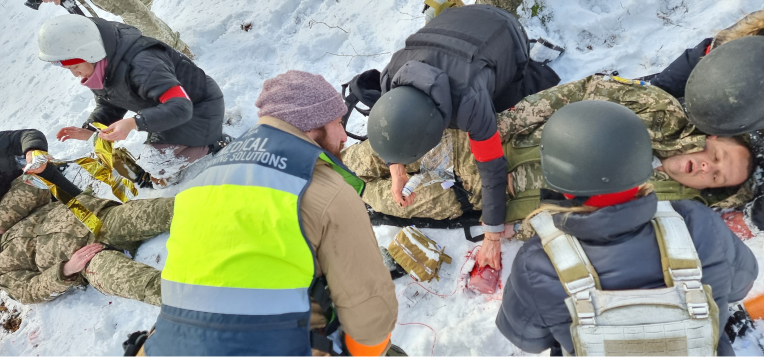
In hostile environments, the risk of serious injury is very real, particularly during violent incidents or chaotic situations. TECC (Tactical Emergency Casualty Care) training aims to provide humanitarian teams with essential skills to deliver emergency care in degraded environments.
Unlike traditional first aid training, TECC incorporates tactical and security considerations. It teaches humanitarian workers how to intervene while taking the threat into account, prioritize life-saving actions, and stabilize a casualty before medical evacuation. Hemorrhage control, airway management, and protection against hypothermia are among the key competencies covered.
Furthermore, integrating TECC into overall preparation significantly enhances team resilience in the field. Sahco offers TECC training adapted to humanitarian realities, aligned with security protocols and operational constraints specific to each mission.
The security briefing: a strategic tool often underestimated
The security briefing is a central component of preparing humanitarian teams before deployment in hostile environments. Too often perceived as a formality, it nevertheless plays a decisive role in understanding risks and expected behaviors.
An effective security briefing helps contextualize the mission, present threats specific to the area of operation, and recall essential procedures in the event of an incident. Additionally, it contributes to aligning teams around a shared security culture by clarifying movement rules, communication guidelines, and emergency protocols.
At Sahco, the security briefing is part of a comprehensive risk management approach. It is designed as a living tool, regularly updated according to changes in context, and integrated into training and preparedness exercises.
The individual kit: empowering each humanitarian actor
In hostile environments, every humanitarian worker must be able to respond autonomously to a critical situation, at least during the initial moments. The individual kit addresses this need by providing a set of essential equipment adapted to the operational context.
Beyond the equipment itself, the individual kit contributes to team empowerment. It reinforces the idea that security is both a collective and an individual responsibility. Knowing how to use one’s kit, understanding its limits, and adapting it to mission-specific risks are integral parts of preparation.
Sahco supports humanitarian organizations in defining and standardizing individual kits, ensuring consistency with HEAT and TECC training and existing security procedures.
A comprehensive and coherent approach to preparation

Training without equipping, or equipping without training, exposes humanitarian teams to dangerous vulnerabilities. Therefore, preparation in hostile environments relies on coherence between training, information, and resources available in the field.
By combining HEAT and TECC training, structured security briefings, and adapted individual kits, humanitarian organizations strengthen their ability to protect their staff and maintain operations in complex contexts. Sahco supports this approach through tailored solutions, taking into account field realities and mission-specific constraints.
To discuss your needs in hostile environment preparation, you can contact the Sahco teams directly via the contact page on the website.
FAQ – Hostile environments and humanitarian team preparation
What is a hostile environment in a humanitarian context?
A hostile environment refers to a context in which humanitarian teams are exposed to high levels of risk, such as armed conflict, security instability, targeted violence, or degraded health and logistical conditions.
Who are HEAT and TECC training courses designed for?
These training courses are intended for humanitarian professionals deployed in high-risk areas, including expatriate staff, national staff, and operational managers.
Is a security briefing mandatory before a mission?
Even if it is not always formally mandatory, a security briefing is strongly recommended. It is an essential best practice for effective team preparation and risk reduction in the field.
Why is the individual kit essential?
The individual kit ensures that each humanitarian worker has immediate access to essential resources to handle a critical situation, while awaiting collective support or evacuation.
Contacter SAHCO
Pour en savoir davantage sur notre expertise et le déroulement de nos missions.


