
'/%3E%3C/svg%3E)
'/%3E%3Cpath%20fill='%23b2b2b2'%20d='M241%20382q0%2016%2017%2026%2017%2011%2042%2011t42-11q16-11%2017-26V269H241'/%3E%3Cpath%20fill='%239f7e00'%20d='M241%20379q0%2014%208%2023%209%209%2021%209%2014%200%2021-9%209-9%209-23V269h-59'/%3E%3Cpath%20d='M241%20339v-70h59v110q0%2014-9%2023l-6%205v-68h-15v72q-8%200-14-4v-68zm59%2040c0%2022%2015%2032%2029%2032%2021%200%2030-18%2030-32v-40h-59'/%3E%3Cpath%20fill='%239f7e00'%20d='M266%20277v5h2v12h-3v-5h2v-5h-9v5h2v5h-4v9h3v18h-5v10h34v-10h-5v-18h3v-9h-4v-5h2v-5h-9v5h2v5h-3v-12h2v-5zm42%20101q0%2010%206%2017%206%206%2015%207%2010-1%2016-7%206-7%206-17v-29h-43'/%3E%3Ccircle%20fill='%230044ad'%20cx='329.5'%20cy='372'%20r='6'/%3E%3Cellipse%20fill='%230044ad'%20cx='300'%20cy='340'%20rx='16'%20ry='21'/%3E%3C/svg%3E)


Frequent Travelers: Why Mission Planning Must Integrate Situational Awareness

In a world marked by instability, international missions are becoming increasingly complex. Frequent travelers, whether humanitarian workers, technical experts, or consultants, must operate in uncertain environments. Their safety, mission effectiveness, and operational coordination all require solid planning. However, planning without situational awareness remains incomplete.
Field realities must be integrated from the earliest stages of a project. Understanding risks, anticipating local developments, and analyzing existing dynamics are now essential. This article explores the specific challenges faced by frequent travelers, the importance of contextual awareness, and the solutions provided by SAHCO to strengthen field operations.
Understanding the Specificities of Frequent Travelers in Operational Contexts
Increased Mobility and Exposure to Risks
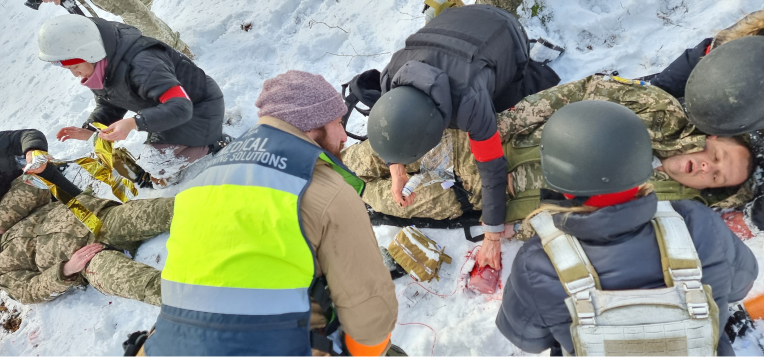
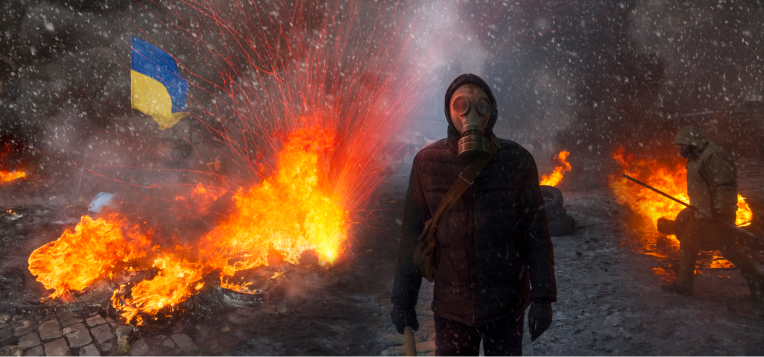
Frequent travelers often operate in unpredictable environments shaped by social, political, or climatic tensions. Repeated mobility increases their vulnerability. Each trip exposes them to new risks: violence, local instability, health threats, or logistical disruptions.
Knowing an area is not sufficient to operate safely. Each mission requires a renewed assessment of the context. Fatigue, over-familiarity with the environment, or operational pressure can reduce vigilance. Strengthening awareness of potential threats therefore becomes imperative.
Logistical and Regulatory Constraints
Travel management also involves material and administrative constraints. Short deadlines, limited resources, and frequently changing local requirements can hinder mission execution if not anticipated.
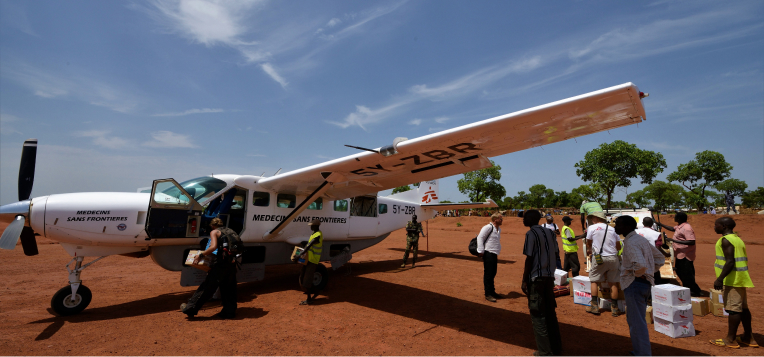
Effective coordination between field teams and headquarters is essential to ensure fluidity and responsiveness. Travelers must rely on flexible yet structured logistical plans. Anticipating administrative constraints is also critical.
To secure your missions and optimize your movements, explore our specialized resources and benefit from tailored support for frequent travelers operating in complex environments.
Why Mission Planning Cannot Exist Without Situational Awareness
Definition and Role of Situational Awareness
Situational awareness refers to the ability to perceive, understand, and anticipate a constantly evolving environment. It relies on active monitoring, engagement with local actors, and strategic interpretation of signals.
For frequent travelers, this capability becomes a key decision-making tool. It allows plans to be adjusted, mistakes to be avoided, and teams to be protected. Awareness of local realities is not only a matter of security, it is a condition for mission success.
Limits of Traditional Planning Without an Adaptive Approach
Rigid planning often overlooks field complexity. A mission may fail if it ignores cultural sensitivities, community tensions, or local power structures. Misinterpretations can lead to ineffective or dangerous decisions.
Concrete cases show that insufficient contextual awareness can cause supply chain disruptions, diplomatic misunderstandings, or administrative blockages. Effective planning must be able to evolve in response to events.
Methodology for Context-Centered Mission Planning

Preliminary Field Analysis and Information Gathering
Effective planning begins with a deep understanding of the operating environment. Risks must be mapped, social, political, and environmental dynamics understood, and dialogue established with local stakeholders. Field intelligence is a cornerstone of situational awareness.
Multiple sources must be mobilized: internal reports, local networks, and independent analyses. This phase determines the team’s ability to adapt during the mission.
Dynamic Adaptation of Plans as Contexts Evolve
High-performing planning relies on revision mechanisms. Missions must integrate adjustment, re-planning, and evacuation protocols. Simulating multiple scenarios is necessary to avoid being caught unprepared.
Plans must remain living documents, incorporating real-time data, field feedback, and weak signals. Digital tools can support this flexibility.
Discover our contextual assessment services and leverage adaptive tools to adjust your plans in real time as situations evolve.
SAHCO’s Strategic Contribution to International Mission Management
Needs Assessment and Qualitative Environmental Analysis
At SAHCO, we conduct field studies prior to any mission. Our teams identify risks, needs, and available resources. This approach builds a clear picture that supports strategic planning.
We also collect qualitative insights from local stakeholders to provide concrete recommendations aligned with on-the-ground realities.
Support for Logistical Planning and Risk Management
SAHCO supports NGOs, agencies, and donors from the design phase onward. Our teams develop realistic action plans that account for uncertainty and potential change.
The goal is to enable teams to operate safely, without wasting time or resources. We remain engaged throughout the mission, adapting arrangements based on field feedback. This continuous support ensures optimal responsiveness.
Contact us today for strategic and operational support tailored to your needs.
Towards Improved Safety for Deployed Personnel
Situational Awareness Training for Frequent Travelers
We offer targeted training programs to strengthen field personnel’s analytical capabilities. These modules help interpret weak signals, enhance anticipation, and adjust behavior in unexpected situations.
The digital tools we provide facilitate access to up-to-date data, supporting decision-making even in the most complex environments.
Real-Time Monitoring and Evaluation Tools
We develop contextual dashboards to track mission evolution in real time. These tools visualize incidents, support plan adjustments, and capture lessons learned.
Thanks to these systems, teams can respond quickly to changing situations. Continuous improvement becomes a core component of safety.
Strengthen your teams’ security through targeted training and real-time monitoring tools. Contact us to jointly design solutions adapted to your mission realities.
Recommendations for International and Humanitarian Organizations
Integrating Contextual Awareness from Project Design
Field challenges must be anticipated from the strategic planning phase. Institutional objectives must be aligned with local realities.
Geopolitical, health, or environmental developments should never be underestimated. Regular contextual analysis helps prevent disruptions and ensures operational continuity. It also encourages local ownership of projects.
Collaborating with Logistics and Strategic Monitoring Experts
In unstable environments, surrounding oneself with the right partners is a necessity, not a choice. SAHCO provides strong technical expertise grounded in field experience.
We design missions alongside NGOs and donors, combining strategic monitoring, adapted logistics, and risk management. This collaborative approach reduces uncertainty, strengthens operational impact, and improves field security.
Contact SAHCO to build targeted, robust interventions fully aligned with your field objectives.
Conclusion
For frequent travelers, integrating situational awareness into mission planning is essential. This approach enables risk anticipation, real-time action adjustment, and team safety. Ignoring local context weakens operations and can compromise objectives.
Rigid planning is no longer sufficient given the growing complexity of operating environments. A flexible methodology based on continuous analysis and effective monitoring tools is essential. This dynamic approach ensures greater responsiveness and optimized resource use.
SAHCO supports humanitarian and international actors by providing high-level expertise in contextual assessment, strategic planning, and logistical management. To secure your missions and maximize their impact, do not hesitate to contact us. Together, let us build resilient projects adapted to field realities.
Contacter SAHCO
Pour en savoir davantage sur notre expertise et le déroulement de nos missions.


