







Training in Critical Incident and Crisis Management
The Critical Incident and Crisis Management training programme is a strategic initiative designed for any organisation, but especially for those operating in complex environments exposed to high levels of risk. It is aimed at companies, corporations, international organisations, NGOs and media agencies that need to strengthen their ability to anticipate, manage and recover from critical situations. In a global environment characterised by increasing volatility, geopolitical instability, security threats, health crises, cyber incidents and reputational risks, organisational preparedness is a key element in ensuring business continuity and the protection of people. This programme enables organisations to develop structured crisis management capabilities, aligned with international standards for risk and crisis management, thereby strengthening both operational resilience and compliance with the duty of care.
About the
Crisis Management programme
Any organisation with an international presence – be it a business, an NGO or a media outlet – must have robust contingency plans in place to manage critical incidents that could affect its staff, operations or reputation.
Crises can take many forms: kidnappings, hostage-taking, political violence, terrorism, pandemics, cyberattacks, industrial accidents or natural disasters. Inadequate management can have significant human, financial, legal and reputational consequences.
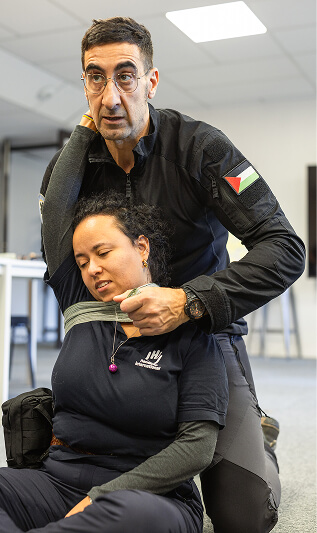
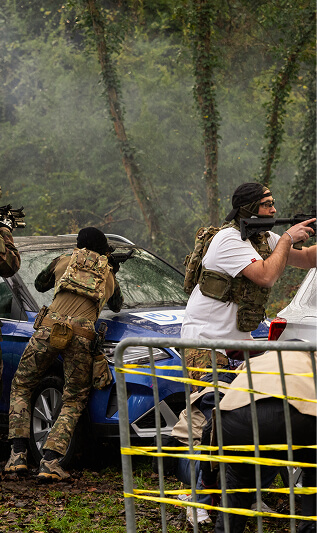
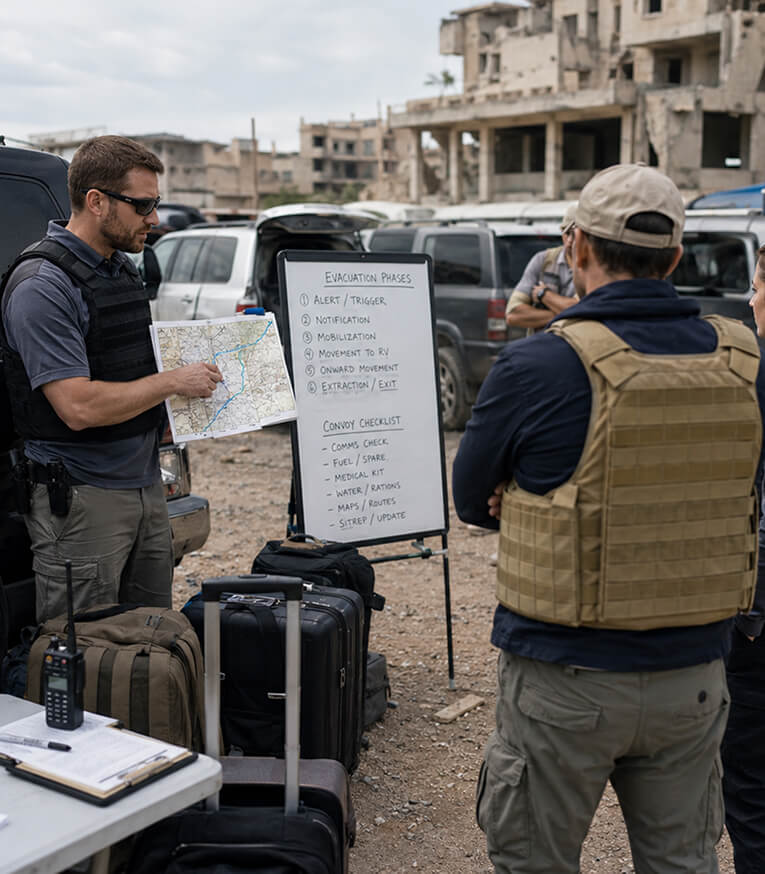
This programme combines the academic and methodological foundations of crisis management with a highly practical approach focused on on-the-ground operations. The programme’s distinguishing feature is its applied approach: participants face realistic crisis simulations and work on incident management during the first 72 hours, a critical phase widely recognised in emergency management, where the greatest operational and decision-making pressure is concentrated.
The training is specifically designed for teams operating in the field or managing international operations, where local response capacity is crucial.
Key benefits by attending our course
Participants will develop key skills to:
- Understand the dynamics and typologies of contemporary crises.
- Apply internationally recognised best practice in crisis management.
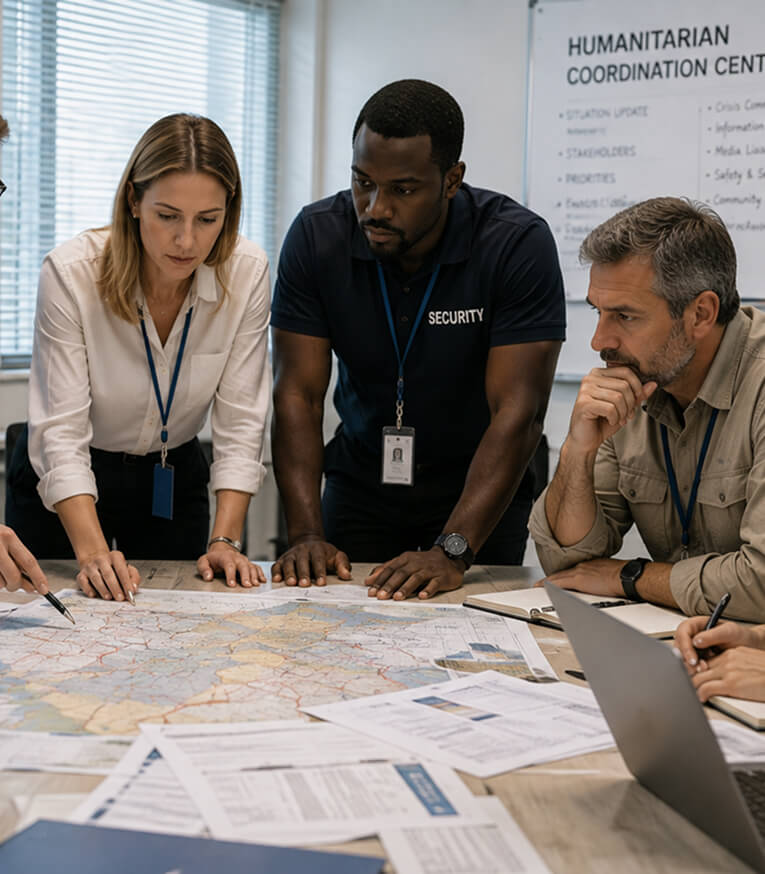
- Design and activate effective organisational structures, including Crisis Management Teams.
- Make informed decisions under pressure in uncertain environments.
- Manage crisis communication with both internal and external stakeholders.
- Develop and enhance response plans tailored to organisational requirements.
These objectives are aligned with internationally recognised standards promoted by organisations such as the Institute of Risk Management.
Target audience
- Executives and heads of international operations.
- Heads of corporate security and risk management.
- Crisis Management Teams (CMTs).
- Corporate communications and reputation departments.
- Personnel deployed in the field (companies, NGOs, media).
- Organisations exposed to operational, geopolitical or reputational risks
Methodology and instructors
SAHCO Consulting adopts a practical and immersive approach, aligned with methodologies used in leading executive programmes in crisis management.
Our methodology includes:
- Initial audit of existing crisis management protocols.
- Design of bespoke scenarios based on the client’s specific risk profile.
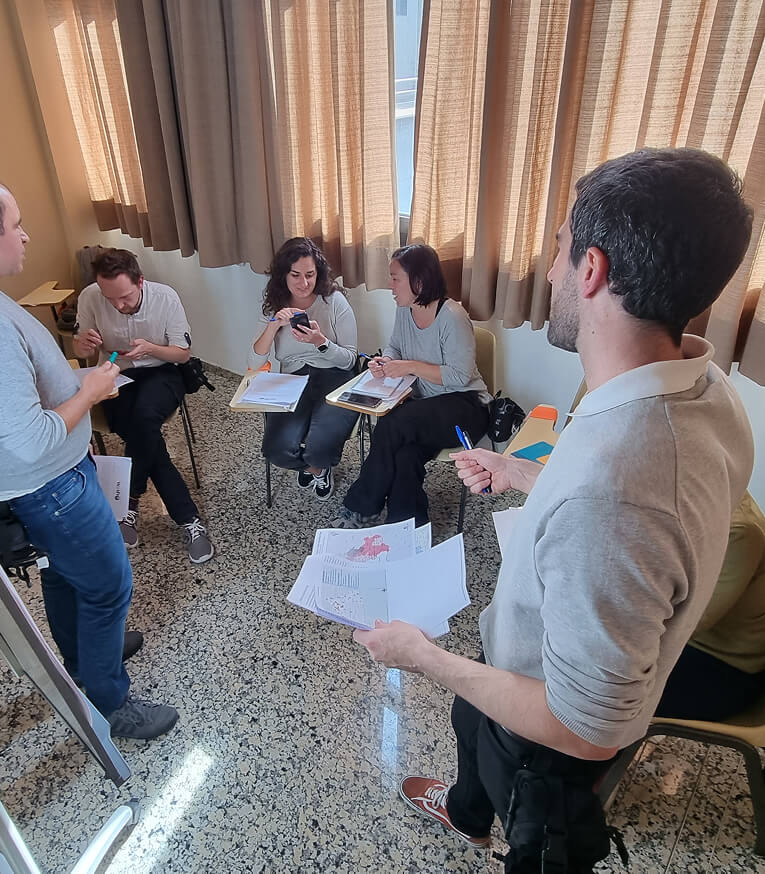
- Interactive crisis simulation exercises.
- Scenarios incorporating dynamic inputs (including email, telephone, media, and stakeholder interactions).
- Real-time decision-making under pressure
The programme can be delivered either on-site at the client’s premises or within a dedicated training environment, ensuring a secure and confidential setting.
Following the simulation, a structured debrief is conducted, including performance analysis, identification of vulnerabilities, and the provision of operational recommendations.
This approach is aligned with best practice adopted by leading training organisations such as Cegos, where simulation and experiential learning form core components of programme delivery.

What will you learn from the Crisis Management training?
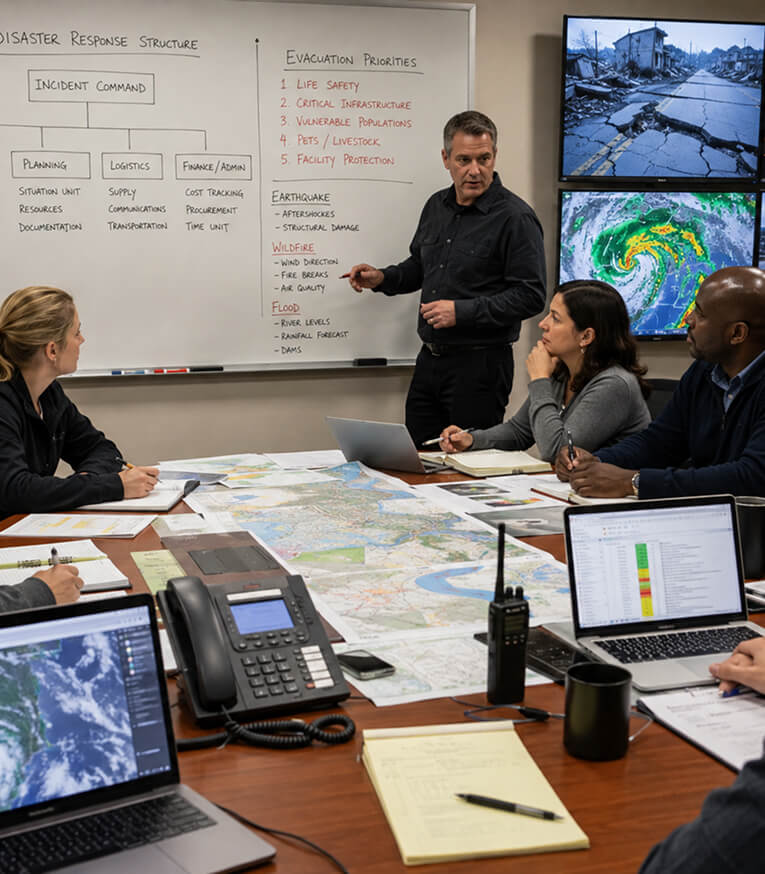
This training is based on realistic scenarios that enable participants to develop practical skills to ensure their own safety and that of their team whilst on the move.


Organisational assessment and preparedness
- Audit of crisis and emergency management plans.
- Identification of organisational vulnerabilities.
- Development and updating of response plans.
- Establishment of crisis management structures (CMT / CIMT).
- Identification of key stakeholders and applicable legal obligations.
Operational management of critical incidents
- Rapid assessment of complex incidents.
- Decision-making during the critical initial phase (first 24–72 hours).
- Definition of response scenarios and strategic options.
- Coordination of teams in dynamic and evolving environments.
- Management of personnel during crisis situations
Crisis communication and stakeholder management
- Principles of effective crisis communication.
- Media relations and engagement.
- Corporate reputation management.
- Communication with families and key stakeholders.
- Coordination of internal and external messaging.
Effective communication is a cornerstone of crisis management, as highlighted by leading international executive programmes.
Management of complex incidents and extreme situations
- Introduction to the management of kidnappings and hostage situations.
- Fundamental negotiation techniques.
- Engagement with third-party intermediaries.
- Psychological support for victims and teams.
- Management of prolonged or protracted crises
Recovery and post-crisis management
- Management of massive haemorrhage (critical priority).
- Airway management and ventilation.
- Treatment of trauma, fractures, and burns.
- Management of shock and patient stabilisation.
- Techniques for the evacuation and transport of casualties.
- Management of mass casualty incidents.
These competencies are designed to significantly reduce preventable mortality in critical situations.
- Post-incident management processes.
- Return to normal operations (business recovery).
- Evaluation of lessons learned.
- Strengthening organisational resilience.
- Continuous improvement of contingency plans.
Our certificates
Our methodology integrates multi-source intelligence, scenario modelling, and forward-looking analysis to identify emerging threats and opportunities.




Movement

Control
Resilience
Control
The question is not if a crisis hits, but when. Ensure your team is crisis-ready
Protect your business continuity when a crisis erupts. Equip your leaders to safeguard your organisation’s credibility through structured tools and expert training.
Contact us to guarantee your team is fully prepared.