







Defensive and Evasive Driving
Defensive and Evasive Driving training is an essential programme for organisations operating in complex environments where mobility represents a significant risk factor. It is designed for companies, corporations, and institutions with international operations that must ensure the safety of their movements, personnel, and assets. This programme equips professional drivers—both local and international—with the skills required to prevent incidents, respond effectively to threats, and operate safely in volatile environments. The training directly contributes to reducing accidents, mitigating security risks, and strengthening operational continuity. Investing in transport safety enables organisations to fulfil their Duty of Care obligations while protecting both their personnel and corporate reputation.
About the
Driving programme
This three to four-day intensive course is designed to enhance driving capabilities in high-risk environments, combining defensive and evasive driving techniques with incident management on the road.
Organisations operating internationally across sectors such as energy, logistics, international sport, diplomacy, construction, and consultancy face increasing risks during travel, including road traffic accidents, crime, ambushes, civil unrest, and targeted threats against vehicles or convoys.
The programme is based on internationally recognised safe driving standards used in corporate security and field operations, integrating advanced practices in risk prevention, vehicle control, and response to critical incidents.
Key benefits by attending our course
Participants will develop key skills to:
- Identify and anticipate risks when operating in complex environments.
- Reduce the likelihood of accidents through defensive driving techniques.
- Apply evasive driving techniques in response to threats.
- Respond effectively to incidents en route (including accidents, attacks, and roadblocks).
- Plan safe and efficient journeys based on the operational context.
The primary objective is to ensure safe and efficient travel while minimising risks to personnel, vehicles, and operations.
Target audience
This training is designed for:
- Local and international professional drivers.
- Corporate personnel with driving responsibilities in overseas or high-risk environments.
- Logistics and operations teams involved in international projects.
- Corporate security and risk management personnel.
- Drivers supporting sports organisations, international delegations, and major events.
- Diplomatic personnel and embassy staff.
- Non-governmental organisations (NGOs) and international institutions.
- Organisations operating in high-risk environments or emerging markets.
It is particularly suited to organisations operating in areas characterised by elevated security risks, limited infrastructure, or challenging driving conditions.
Methodology and instructors
SAHCO Consulting delivers training through specialist instructors in operational driving, road safety, and high-risk environments, all of whom possess extensive real-world experience.
Our methodology combines:
- Theoretical instruction applied to practical, real-world scenarios.
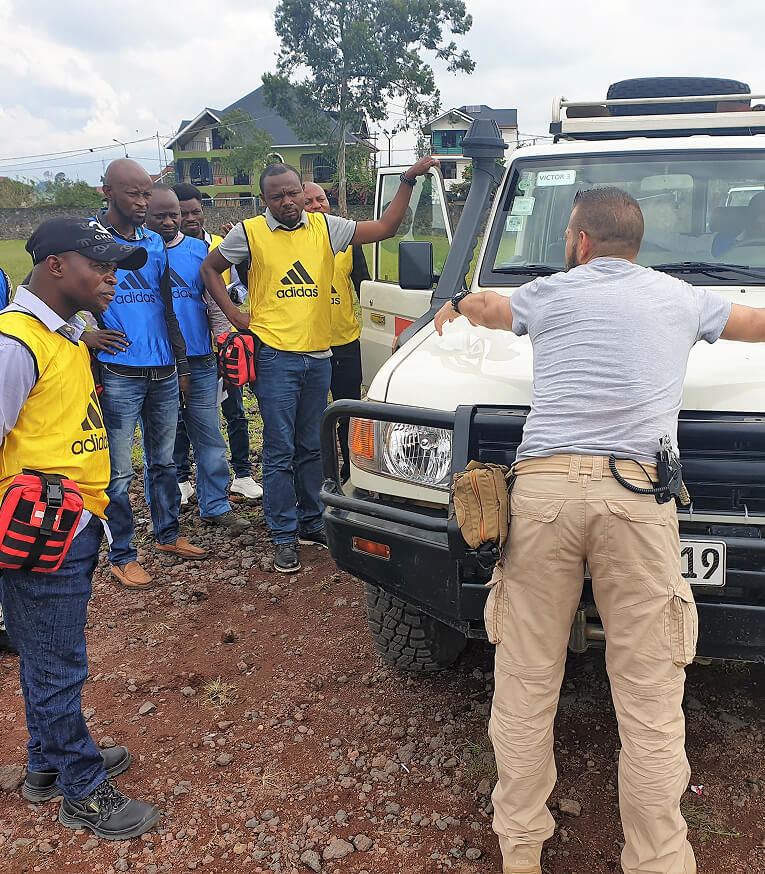
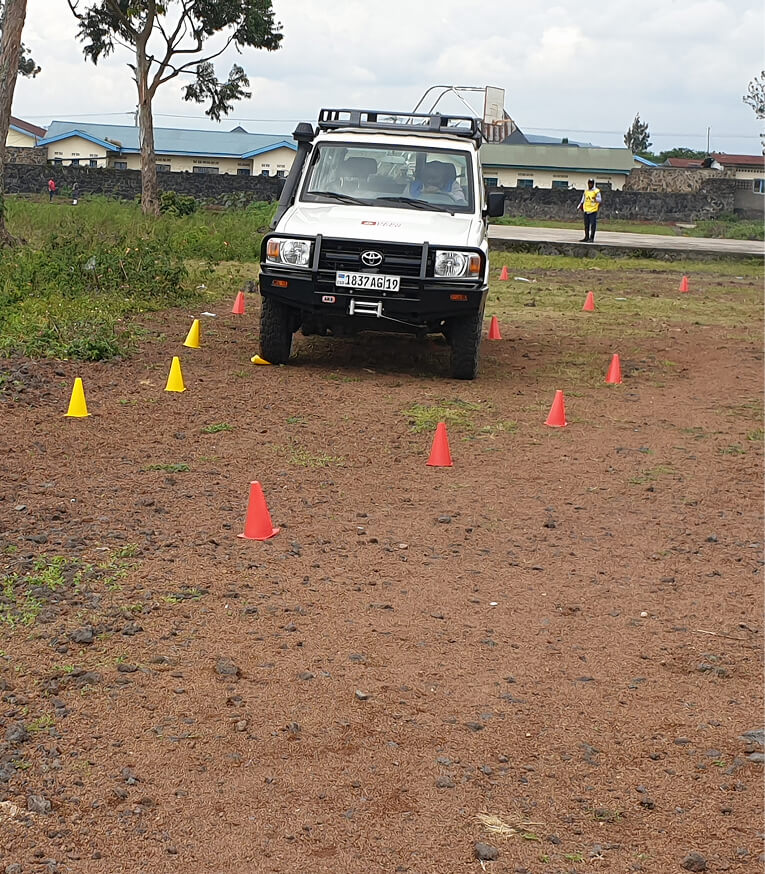
- Intensive hands-on training using operational vehicles.
- Simulations of road traffic incidents.
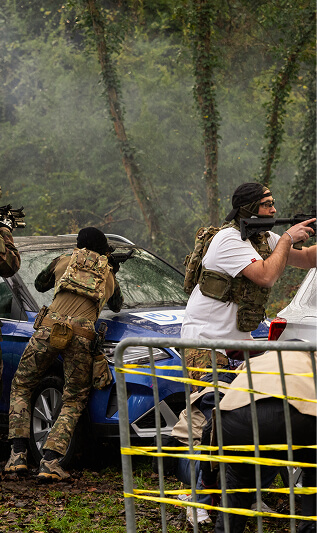
- Dynamic scenarios replicating real operating conditions.
The programme is delivered through progressive exercises designed to develop reflexes, enhance decision-making, and enable participants to operate effectively under pressure.
Content can be tailored to the client’s profile, vehicle types (including 4×4, utility, and armoured or unarmoured vehicles), and specific operational environment.

What will you learn from the Defensive Driving training?
This training is based on realistic scenarios that enable participants to develop practical skills to ensure their own safety and that of their team whilst on the move.



Planning and Journey Management
- Principles of tactical medicine applied to civilian contexts.
- Key differences between conventional and tactical pre-hospital care.
- Integration of safety considerations into medical response.
- Assessment of scenes involving active threats (e.g. attacks, civil unrest).
- Triage protocols and casualty prioritisation.
Defensive and preventive driving
- Principles of defensive driving, including anticipation and prevention.
- Active observation and situational awareness.
- Road risk management.
- Low-risk driving techniques.
- Accident prevention and vehicle control.
These practices are aligned with internationally recognised safe driving standards used in corporate and operational contexts.
Evasive driving & incident response
- Evasion techniques in response to threats or attempts to block the vehicle.
- Emergency manoeuvres, including braking, swerving, and vehicle control.
- Managing ambushes and hostile situations.
- Escape techniques, including evasive turns and withdrawal manoeuvres.
- Responding effectively to critical incidents whilst on the move.
These skills are drawn from advanced safety training methodologies designed to protect personnel in high-risk environments.
Vehicle control & advanced driving techniques
- Management of massive haemorrhage (critical priority).
- Airway management and ventilation.
- Treatment of trauma, fractures, and burns.
- Management of shock and patient stabilisation.
- Techniques for the evacuation and transport of casualties.
- Management of mass casualty incidents
These competencies are designed to significantly reduce preventable mortality in critical situations:
- Operation of 4×4 vehicles (armoured and unarmoured).
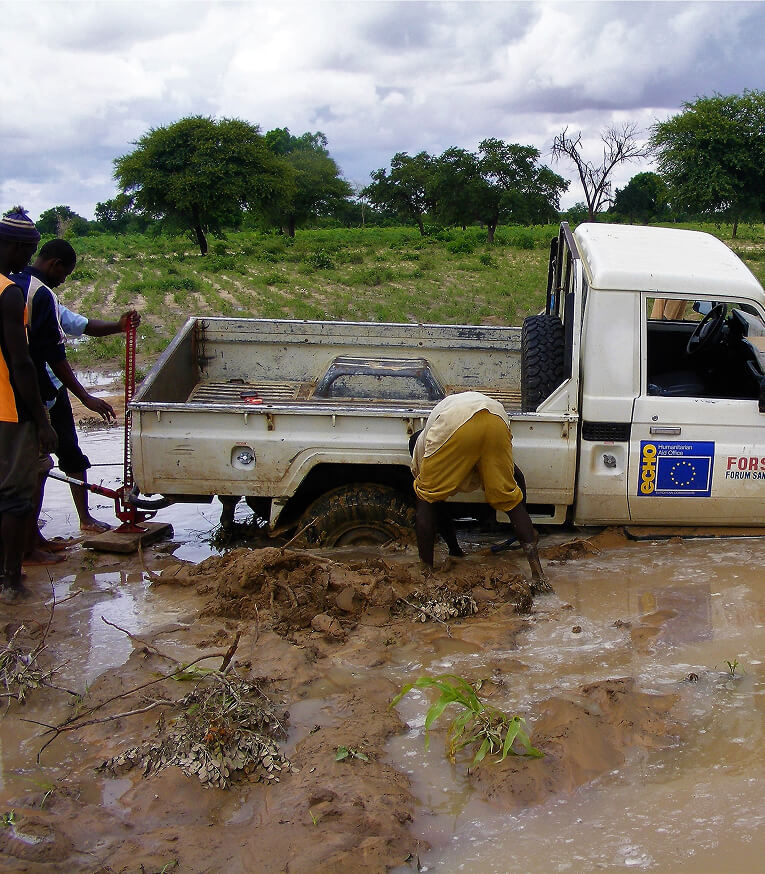
- Driving in adverse conditions (terrain, weather, and limited visibility).
- Advanced braking techniques and skid control.
- High-speed manoeuvres in controlled environments.
- Fundamentals of applied mechanics and vehicle behaviour
Emergency management and first aid
- Management of massive haemorrhage (critical priority).
- Airway management and ventilation.
- Treatment of trauma, fractures, and burns.
- Management of shock and patient stabilisation.
- Techniques for the evacuation and transport of casualties.
- Management of mass casualty incidents
These competencies are designed to significantly reduce preventable mortality in critical situations:
- Response to road traffic accidents.
- Emergency protocols applicable to road incidents.
- Introduction to trauma first aid.
- Coordination with emergency services.
- Management of multiple casualties in road traffic incidents
Our certificates
Our methodology integrates multi-source intelligence, scenario modelling, and forward-looking analysis to identify emerging threats and opportunities.




Movement

Control
Resilience
Control
Master safe transit in high-risk zones
Protect your personnel and assets from road-based threats. Reach out to SAHCO Consulting to develop the advanced vehicle handling and incident prevention skills vital for volatile terrain.